

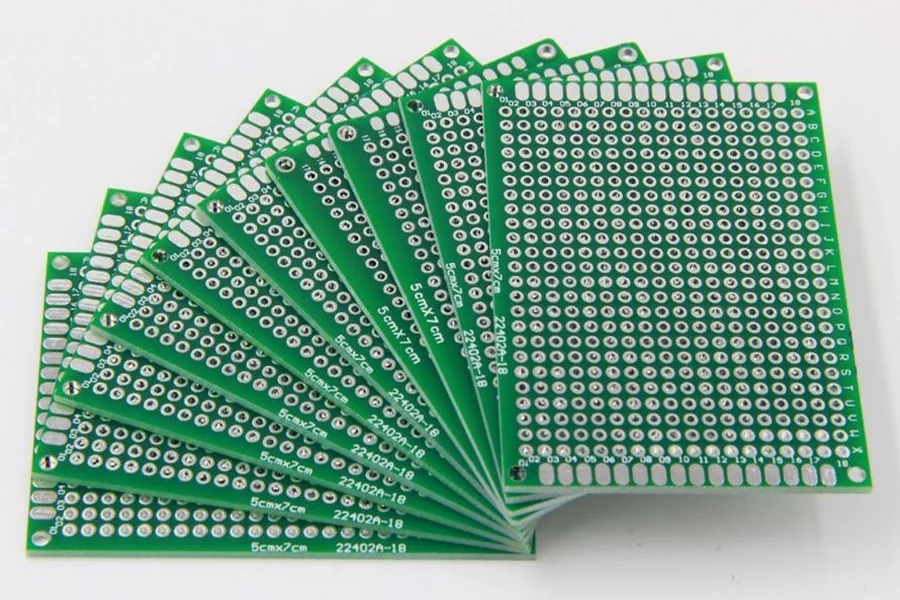
A Polyimide Printed Circuit Board is one of the most reliable and high-performance PCB types available today, widely used in industries where extreme durability, flexibility, and temperature resistance are essential. These boards are made using polyimide, a high-performance polymer material known for its exceptional thermal stability, chemical resistance, and mechanical strength. Because of these attributes, polyimide PCBs have become the go-to choice for aerospace, defense, medical, and high-end electronics applications.
Understanding Polyimide Printed Circuit Boards
Polyimide is a type of polymer that retains its mechanical and electrical properties even in harsh environments. A Polyimide Printed Circuit Board is manufactured using this material as the base substrate instead of the more common FR4 epoxy glass. This gives it an edge in applications that demand high reliability under thermal and mechanical stress. Polyimide boards can operate in temperature ranges from -200°C to +260°C, making them ideal for environments that experience extreme heat or cold.
These boards are available in both rigid and flexible configurations, with the latter often referred to as polyimide flexible PCBs. Depending on the requirement, manufacturers can produce single-layer, double-layer, or multilayer designs using polyimide substrates.
Key Properties of Polyimide Printed Circuit Boards
One of the main advantages of polyimide is its exceptional thermal performance. Unlike standard PCB materials that may degrade or warp under high temperatures, polyimide retains structural integrity. This is particularly useful for applications involving soldering processes or operations in high-temperature environments.
In addition to thermal resistance, polyimide offers superior chemical resistance. It can withstand exposure to acids, solvents, and other industrial chemicals without degrading, which makes it suitable for harsh industrial environments.
Polyimide also has excellent mechanical stability, meaning it resists expansion, contraction, and warping when subjected to temperature fluctuations. This dimensional stability is crucial in maintaining signal integrity and component alignment.
Another noteworthy property is outstanding electrical insulation. Even in high-voltage applications, polyimide ensures minimal leakage current, providing safe and reliable performance.
Benefits of Using Polyimide Printed Circuit Boards
The combination of these properties translates into numerous benefits for designers and manufacturers.
Firstly, reliability in extreme environments is a primary reason for choosing polyimide. Whether the device operates in outer space, inside a jet engine, or in medical imaging equipment, the board must withstand challenging conditions without failure. Polyimide’s resilience ensures consistent performance in such scenarios.
Secondly, design flexibility is a major advantage. Polyimide PCBs can be manufactured in flexible formats, allowing them to be folded or bent without damaging the circuitry. This is essential in compact electronic devices where space optimization is critical.
Thirdly, long-term durability makes polyimide boards cost-effective over the product’s lifetime. While the initial cost may be higher than standard FR4 boards, the reduced risk of failure and the extended lifespan of the product make it a better investment in mission-critical applications.
Applications of Polyimide Printed Circuit Boards
Polyimide PCBs are widely used in aerospace and defense electronics because these sectors require materials that perform flawlessly in extreme conditions. Flight control systems, radar equipment, and satellite communication devices often rely on polyimide-based circuits.
In the automotive industry, polyimide boards are used in engine control units, sensors, and other under-the-hood electronics that experience high heat.
The medical industry benefits from polyimide PCBs in devices such as MRI scanners, surgical instruments, and diagnostic equipment, where precision and reliability are essential.
Polyimide’s flexibility also makes it ideal for consumer electronics, especially in wearables, smartphones, and foldable devices, where thin, bendable circuits are needed.
Furthermore, industrial equipment such as high-power laser systems, chemical processing controls, and power converters often incorporate polyimide PCBs to ensure consistent operation under demanding conditions.
Manufacturing Considerations for Polyimide Printed Circuit Boards
Producing a Polyimide Printed Circuit Board requires specialized manufacturing techniques to ensure the material’s properties are preserved. The lamination, etching, and soldering processes must be carefully controlled to prevent material degradation.
One challenge is the higher cost of raw polyimide material compared to standard FR4. Additionally, the drilling process can be more complex because polyimide is tougher, requiring precision equipment to achieve accurate hole sizes and placements.
For flexible polyimide boards, maintaining the bend radius and avoiding mechanical stress during assembly is essential to prevent cracks in the copper traces. This is why working with an experienced manufacturer is critical when designing and producing polyimide PCBs.
The Future of Polyimide PCBs
As technology advances, the demand for Polyimide Printed Circuit Boards is expected to grow, especially with the expansion of high-performance electronics, electric vehicles, space exploration, and miniaturized consumer gadgets. Manufacturers are also experimenting with improved formulations of polyimide to enhance properties such as thermal conductivity and moisture resistance.
With trends like wearable technology, flexible displays, and autonomous systems gaining momentum, polyimide PCBs are likely to play a key role in next-generation electronic design.
Choosing the Right Partner for Your Polyimide PCB Needs
Selecting the right Polyimide PCB manufacturer is essential to ensure product quality, performance, and reliability. An experienced manufacturer can offer expert design guidance, advanced fabrication capabilities, and strict quality control measures to meet your project’s requirements. From prototype development to mass production, partnering with a trusted supplier will ensure that your polyimide PCB performs optimally in its intended application.
