

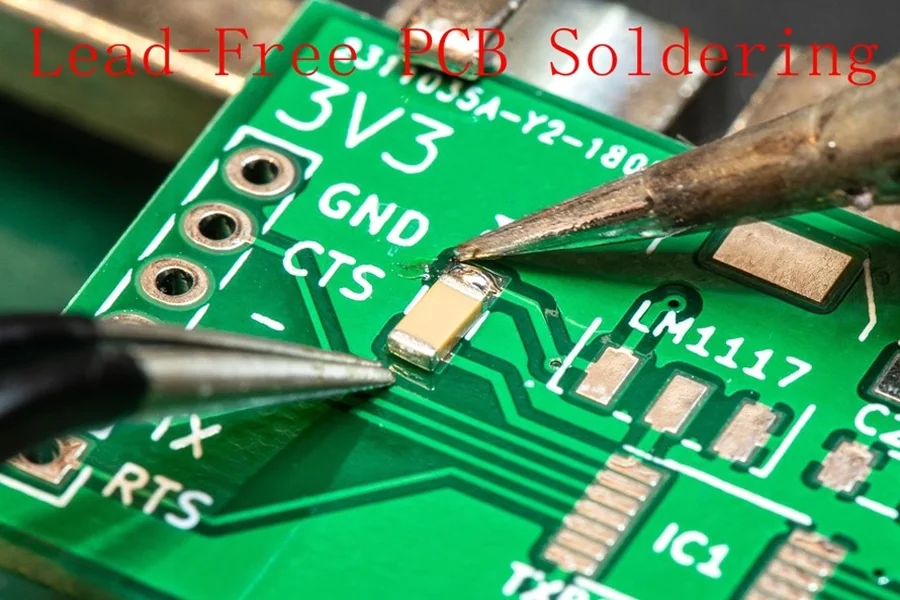
Mid-Volume PCB Assembly is a crucial manufacturing stage for companies transitioning from prototype or low-volume production to more scalable batches. It typically refers to orders that range from a few hundred to several thousand assembled PCB units. This production level is ideal for businesses testing market response, preparing for mass production, or maintaining steady product demand without the complexities of large-scale manufacturing.
Mid-Volume PCB Assembly offers a perfect balance of cost efficiency, production speed, and consistent quality. It allows companies to scale their electronics manufacturing process at a manageable pace while still benefiting from professional-grade assembly capabilities.
Why Mid-Volume PCB Assembly Matters
Mid-volume production supports businesses at a vital growth stage. It bridges the gap between small prototype runs and high-volume manufacturing, allowing companies to optimize their supply chain, improve product testing, and refine performance before investing in mass production. It also helps reduce manufacturing risks by enabling real-world product validation in meaningful quantities.
This type of assembly ensures repeatability, accuracy, and reliability across every batch, making it a practical choice for growing hardware startups, industrial electronics companies, medical device manufacturers, and automotive suppliers.
Key Advantages of Mid-Volume PCB Assembly
Cost Optimization With Better Production Planning
Unlike low-volume production—which may involve higher per-unit costs—mid-volume PCB assembly enables better pricing due to optimized workflows and efficient use of materials. Manufacturers can streamline processes, minimize waste, and negotiate improved component sourcing, which results in more affordable overall production.
Higher Consistency and Quality
Mid-volume assembly lines rely heavily on automation, including SMT placement machines, automated soldering, reflow ovens, and AOI inspection systems. Increased automation leads to consistent solder joints, accurate component placement, and reliable electrical performance across every PCB produced.
Scalability for Growing Requirements
Many companies choose Mid-Volume PCB Assembly because it supports gradual scaling. Once the product reaches market acceptance, it becomes easier to transition to high-volume production without redesigning the process. The same manufacturing partner can often accommodate growth seamlessly.
Reduced Lead Times
Well-structured mid-volume lines are designed for quick turnaround. With efficient scheduling, automated equipment, and dedicated engineering support, orders are completed faster. This helps businesses reduce time-to-market and stay competitive in fast-evolving industries.
The Mid-Volume PCB Assembly Process
DFM Analysis and Engineering Review
Before production begins, engineers review the design files and BOM. The goal is to detect any fabrication or assembly challenges early. DFM ensures that every board can be manufactured smoothly without defects or unnecessary delays.
Component Procurement
For mid-volume batches, manufacturers often secure components through verified suppliers to maintain availability and consistency. Proper sourcing prevents shortages, counterfeit risks, and production interruptions.
Solder Paste Application
A metal stencil applies solder paste to the pads. This stage demands precision because mid-volume production depends on consistent solder paste deposition to reduce errors in large-scale runs.
Automated Component Placement
High-speed pick-and-place machines mount SMT components accurately. For boards that include ICs, BGAs, or fine-pitch components, advanced machines ensure perfect alignment across hundreds or thousands of boards.
Reflow Soldering
During reflow, controlled heating profiles melt the solder paste and secure components permanently. A carefully maintained thermal curve prevents bridging, tombstoning, and cold solder joints.
Through-Hole Assembly (If Required)
Some mid-volume products require connectors, transformers, or power components installed using through-hole soldering. Selective soldering machines ensure efficiency and uniformity.
Quality Inspection and Testing
Quality is critical in mid-volume production, and inspection procedures include:
- AOI for verifying solder joints
- X-ray inspection for BGAs
- Functional testing based on customer requirements
- ICT or flying probe testing depending on complexity
These processes ensure every assembled board meets electrical and mechanical specifications.
Industries That Rely on Mid-Volume PCB Assembly
Consumer Electronics
Brands manufacturing audio devices, wearables, smart home equipment, and gadgets rely on mid-volume production for consistent output.
Industrial Equipment
Factories and machinery manufacturers require durable, high-grade PCBs suitable for demanding operating conditions.
Medical Devices
Products like monitoring tools, diagnostic equipment, and portable medical instruments depend on stable mid-volume PCB assembly with strict quality standards.
Automotive and Transportation
Automotive sensors, control modules, and infotainment systems rely on mid-volume runs for reliability and consistency.
Telecom and Networking
Mid-volume assembly supports telecom equipment requiring high-speed, low-loss PCBs.
Why Choosing the Right Manufacturer Is Essential
Mid-volume production requires advanced equipment, skilled engineering teams, and strong quality control systems. A reliable manufacturing partner ensures:
- Repeatable production quality
- Traceability of components
- Controlled manufacturing environments
- Optimized cost and delivery times
Choosing an experienced partner helps ensure your products perform reliably and meet your long-term market goals.
Final Thoughts: Partner With Experts for Mid-Volume PCB Assembly
Mid-Volume PCB Assembly offers the flexibility, scalability, and quality that growing electronics companies need. Whether you are scaling an existing product or preparing for higher manufacturing volumes, this production level gives you the perfect mix of cost efficiency and professional-quality output. For businesses seeking dependable manufacturing support and smooth scaling from prototype to mass production, working with a China one-stop pcb assembly service ensures faster turnaround, stable quality, and complete project management from start to finish.
